

In the realm of natural - gas engines, every component plays a crucial part in ensuring optimal performance, efficiency, and reliability. One such component that often goes unnoticed but is of paramount importance is the exhaust valve. As an exhaust valve supplier, I have witnessed firsthand the critical role these valves play in the smooth operation of natural - gas engines. In this blog, I will delve into the functions, significance, and impact of exhaust valves in natural - gas engines.
The Basics of a Natural - Gas Engine
Before we explore the role of the exhaust valve, it's essential to understand the basic working principle of a natural - gas engine. A natural - gas engine operates on the same fundamental principles as other internal combustion engines. It takes in a mixture of natural gas and air, compresses it, ignites the mixture, and then expels the exhaust gases. This four - stroke cycle consists of the intake stroke, compression stroke, power stroke, and exhaust stroke.
During the intake stroke, the intake valve opens, allowing a fresh mixture of natural gas and air to enter the combustion chamber. The piston then moves upward during the compression stroke, compressing the mixture. When the piston reaches the top of its stroke, a spark plug ignites the compressed mixture, causing a rapid expansion of gases. This expansion forces the piston downward, generating power during the power stroke. Finally, during the exhaust stroke, the exhaust valve opens, and the burned gases are pushed out of the combustion chamber.
The Role of the Exhaust Valve
1. Gas Exchange
The primary role of the exhaust valve is to facilitate the gas exchange process in the engine. At the end of the power stroke, the exhaust valve opens to allow the high - pressure, hot exhaust gases to escape from the combustion chamber. This is crucial because if the exhaust gases are not removed efficiently, they can interfere with the intake of fresh air - fuel mixture during the next intake stroke. A well - functioning exhaust valve ensures that the combustion chamber is cleared of exhaust gases, making way for a new charge of air and natural gas. This efficient gas exchange is essential for maintaining the engine's power output and fuel efficiency.
2. Controlling Engine Timing
The opening and closing of the exhaust valve are precisely timed to match the engine's operating cycle. The timing is determined by the camshaft, which is designed to open the exhaust valve at the right moment during the exhaust stroke. If the exhaust valve opens too early, some of the high - pressure gases from the power stroke may escape prematurely, reducing the engine's power. On the other hand, if the exhaust valve opens too late, the exhaust gases may not be fully expelled, leading to a decrease in engine efficiency and an increase in emissions. Therefore, the exhaust valve's timing is critical for the engine to operate at its peak performance.

3. Heat Dissipation
Exhaust valves are exposed to extremely high temperatures due to the hot exhaust gases passing through them. They play a vital role in dissipating this heat from the combustion chamber. If the heat is not effectively dissipated, it can cause damage to the valve, the valve seat, and other engine components. High - quality exhaust valves are designed to withstand these high temperatures and transfer the heat away from the combustion chamber. This helps to prevent overheating and ensures the long - term reliability of the engine.
4. Emission Control
In modern natural - gas engines, exhaust valves also contribute to emission control. By ensuring efficient gas exchange and proper timing, exhaust valves help to reduce the amount of unburned fuel and harmful pollutants in the exhaust gases. Additionally, some exhaust valves are designed with special coatings or materials that can further reduce emissions. For example, valves with catalytic coatings can help to convert harmful gases such as carbon monoxide and nitrogen oxides into less harmful substances before they are released into the atmosphere.
Types of Exhaust Valves for Natural - Gas Engines
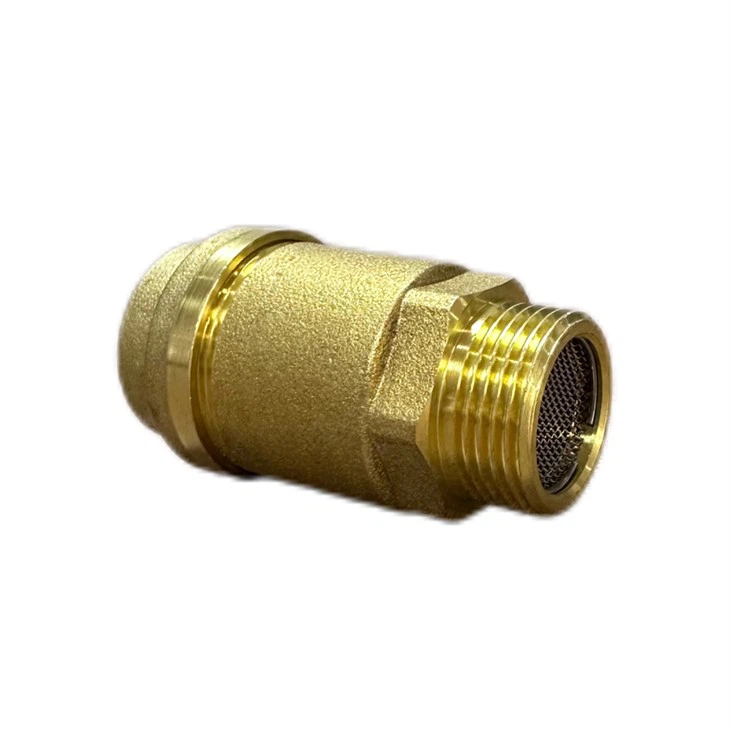
There are several types of exhaust valves available for natural - gas engines, each with its own advantages and applications. One common type is the Brass Exhaust Valve. Brass exhaust valves are known for their excellent corrosion resistance and good thermal conductivity. They are suitable for a wide range of natural - gas engine applications, especially in environments where corrosion is a concern.
Another type is the steel exhaust valve, which is known for its high strength and durability. Steel valves can withstand high temperatures and pressures, making them ideal for high - performance natural - gas engines. Titanium exhaust valves are also becoming increasingly popular due to their lightweight and high - strength properties. They can improve the engine's responsiveness and fuel efficiency by reducing the weight of the valve train.
Factors Affecting Exhaust Valve Performance
Several factors can affect the performance of exhaust valves in natural - gas engines. One of the most significant factors is the quality of the valve material. High - quality materials can withstand high temperatures, pressures, and corrosion, ensuring long - term reliability. The design of the valve is also crucial. A well - designed valve will have a smooth surface finish, proper seating geometry, and optimized flow characteristics.
The operating conditions of the engine, such as the temperature, pressure, and speed, can also impact the exhaust valve's performance. Engines that operate at high temperatures and pressures require exhaust valves that can withstand these extreme conditions. Additionally, the quality of the natural gas used in the engine can affect the valve's performance. Impurities in the natural gas can cause corrosion and wear on the exhaust valve.
Maintenance and Replacement of Exhaust Valves
Regular maintenance of exhaust valves is essential to ensure their proper functioning. This includes inspecting the valves for wear, damage, and carbon deposits. Carbon deposits can build up on the valve surface over time, affecting its sealing ability and gas flow characteristics. Cleaning the valves periodically can help to remove these deposits and restore their performance.
In some cases, exhaust valves may need to be replaced due to wear or damage. Signs that a valve may need replacement include loss of engine power, increased emissions, and abnormal engine noises. When replacing exhaust valves, it's important to choose high - quality valves that are compatible with the engine's specifications. As an exhaust valve supplier, I can provide customers with a wide range of options to meet their specific needs.
Conclusion
In conclusion, the exhaust valve plays a vital role in the operation of natural - gas engines. It is responsible for gas exchange, controlling engine timing, heat dissipation, and emission control. The performance of the exhaust valve can significantly impact the engine's power output, fuel efficiency, and reliability. By choosing the right type of exhaust valve and ensuring proper maintenance, engine owners can maximize the performance and lifespan of their natural - gas engines.
If you are in the market for high - quality exhaust valves for your natural - gas engine, I invite you to reach out to me. As an experienced exhaust valve supplier, I can provide you with the best products and solutions to meet your specific requirements. Whether you need a Brass Exhaust Valve or other types of valves, I have the expertise and resources to assist you. Let's start a conversation about your exhaust valve needs and explore how we can work together to optimize your engine's performance.
References
Heywood, J. B. (1988). Internal Combustion Engine Fundamentals. McGraw - Hill.
Taylor, C. F. (1985). The Internal Combustion Engine in Theory and Practice. MIT Press.
Stone, R. (1999). Introduction to Internal Combustion Engines. Society of Automotive Engineers.