

Hey there! As a supplier of brass bottom valves, I'm super stoked to chat with you about the quality control measures we take to ensure top - notch products. Brass bottom valves, like the ones you can check out Brass Bottom Valve, play a crucial role in various industries, from plumbing to industrial applications. So, getting the quality right is a big deal.
Raw Material Inspection
The quality journey starts right at the source - the raw materials. We're really strict when it comes to choosing the brass for our bottom valves. First off, we only work with trusted suppliers. These guys have a solid reputation for providing high - grade brass.
We conduct a series of tests on the incoming brass. One of the key tests is the chemical composition analysis. We use advanced spectrometers to make sure the brass has the right mix of copper, zinc, and other elements. If the composition is off, it can affect the valve's strength, corrosion resistance, and overall performance. For example, if there's too much zinc, the valve might be more prone to dezincification, which can weaken it over time.
Another important aspect of raw material inspection is the physical inspection. We look for any visible defects like cracks, porosity, or inclusions in the brass. These defects can lead to leaks or failures in the finished valve. We use magnifying glasses and sometimes even X - ray machines to get a detailed look at the material. If we find any issues, we send the batch back to the supplier right away.
Manufacturing Process Control
Once we're happy with the raw materials, it's time to start making the valves. We have a well - defined manufacturing process, and at every step, there are quality control checkpoints.
Machining
The machining process is where the brass is shaped into the valve components. We use state - of - the - art CNC machines to ensure precise cuts and dimensions. But even with these high - tech machines, we still have operators constantly monitoring the process. They measure the dimensions of the machined parts using calipers and micrometers at regular intervals. If the dimensions are out of the specified tolerance range, the machine is adjusted immediately.
We also pay close attention to the surface finish of the machined parts. A rough surface can cause problems like increased friction and wear, and it can also make it harder to achieve a good seal. So, we use polishing and grinding techniques to make sure the surface is smooth and free of burrs.
Assembly
When it comes to assembling the brass bottom valves, we have a team of skilled workers. They follow a strict assembly procedure to ensure that all the components fit together perfectly. We use torque wrenches to tighten the bolts and nuts to the correct torque value. This is important because if the bolts are too loose, the valve might leak, and if they're too tight, it can damage the components.
During the assembly process, we also conduct visual inspections to make sure there are no missing parts or any signs of damage. Each valve is carefully checked for proper alignment and smooth operation. If a valve doesn't pass these checks, it's taken apart and re - assembled or sent for further inspection.
Testing and Certification
After the valves are assembled, they go through a battery of tests to make sure they meet the highest quality standards.
Pressure Testing
One of the most important tests is the pressure test. We subject the brass bottom valves to high pressures to simulate real - world operating conditions. We use a pressure testing machine to gradually increase the pressure inside the valve and hold it for a specific period of time. If there are any leaks or failures during the test, the valve is rejected.
We test the valves at different pressure levels depending on their intended use. For example, valves used in high - pressure industrial applications are tested at much higher pressures than those used in residential plumbing. This way, we can ensure that the valves can handle the pressures they'll face in the actual application.
Flow Testing
Flow testing is also crucial. We measure the flow rate of the fluid through the valve to make sure it meets the specified requirements. A valve that restricts the flow too much can cause inefficiencies in the system. We use flow meters to accurately measure the flow rate and compare it to the design specifications. If the flow rate is not within the acceptable range, we investigate the cause, which could be anything from a blockage inside the valve to an incorrect design.
Leakage Testing
In addition to the pressure test, we also conduct a more sensitive leakage test. We use special equipment to detect even the slightest leaks. This is important because even a small leak can lead to significant problems over time, such as loss of fluid, contamination, or damage to the surrounding equipment.
Once a valve passes all these tests, it is eligible for certification. We make sure our valves meet international standards such as ISO, ASTM, and others. Certification not only gives our customers peace of mind but also shows that we're committed to providing high - quality products.
Quality Control Documentation
We keep detailed records of all the quality control measures we take. This includes records of the raw material inspections, manufacturing process data, test results, and certification documents. These records are very important for a few reasons.
First of all, they allow us to track the quality history of each valve. If there are any issues with a valve later on, we can look back at the records to see what might have gone wrong. For example, if a valve fails during its service life, we can check the test results and manufacturing records to see if there were any signs of potential problems during production.
Secondly, these records are great for our customers. When they purchase our brass bottom valves, they can ask for these records to verify the quality of the product. It's like a guarantee that we've done everything we can to make sure the valve is of the highest quality.
Continuous Improvement
We're always looking for ways to improve our quality control measures. We regularly review our processes and test methods to see if there are any areas that can be enhanced. We also listen to our customers' feedback. If they have any issues or suggestions, we take them seriously and use them to make changes to our products and processes.

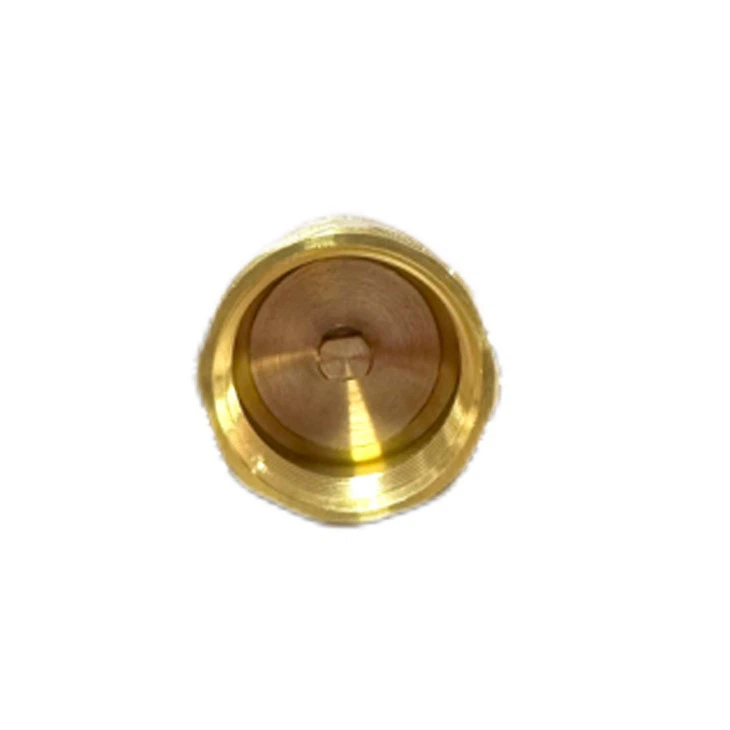
For example, if a customer reports that a valve is not performing well in a certain environment, we'll investigate and see if we can modify the design or the manufacturing process to improve its performance. We also keep an eye on the latest industry trends and technological advancements. If there's a new testing method or a better way to manufacture the valves, we'll consider implementing it.
Why Choose Our Brass Bottom Valves
So, why should you choose our brass bottom valves? Well, with our strict quality control measures, you can be confident that you're getting a reliable and high - performance product. Our valves are made from top - quality brass, and they go through rigorous testing to make sure they can handle the toughest conditions.
Whether you're in the plumbing business, an industrial manufacturer, or any other industry that requires brass bottom valves, our products are a great choice. We're committed to providing the best quality at a competitive price.
If you're interested in purchasing our brass bottom valves or have any questions about our products, we'd love to hear from you. Just reach out to us for a friendly chat, and we can discuss your specific needs and how we can meet them.
References
ASTM International Standards on Brass Valves
ISO Standards for Industrial Valves
Technical literature on brass materials and their properties