

How does an exhaust valve work?
As an exhaust valve supplier, I've had the privilege of witnessing the crucial role these components play in various industrial and domestic applications. Understanding how an exhaust valve works is essential for anyone involved in systems that rely on proper air and gas management. In this blog, we'll delve into the inner workings of exhaust valves, exploring their functions, types, and applications.
The Basics of an Exhaust Valve
At its core, an exhaust valve is designed to release air or gas from a system at the appropriate time. This is crucial in maintaining the efficiency and safety of many different types of systems. For instance, in a plumbing system, air can become trapped in pipes, leading to reduced water flow and increased noise. An exhaust valve allows this trapped air to escape, ensuring smooth and quiet operation.
In industrial settings, exhaust valves are used in steam systems to remove non - condensable gases. These gases can accumulate in steam lines and reduce the heat transfer efficiency, leading to increased energy consumption. By continuously removing these gases, exhaust valves help to maintain optimal performance.
How an Exhaust Valve Operates
The operation of an exhaust valve is based on a simple yet effective principle: it opens when the pressure or conditions within the system require the release of air or gas, and closes to prevent the loss of the working fluid (such as water or steam) when the release is no longer necessary.
Most exhaust valves have a float mechanism. When the system is filled with water or steam, the float rises due to buoyancy. As the float rises, it closes the valve opening, preventing the escape of the fluid. Conversely, when air or gas accumulates in the system, the level of the fluid drops, causing the float to descend. This movement opens the valve, allowing the air or gas to be released.
Let's take a closer look at a common type of exhaust valve used in plumbing systems. When water is first introduced into the system, the valve is open because there is air in the pipes. As the water fills the pipes, the air rises to the highest point where the exhaust valve is located. The water then pushes the float up, closing the valve. If air later accumulates in the pipes due to changes in water flow or temperature, the float will drop, and the valve will open to release the air.
Types of Exhaust Valves
There are several types of exhaust valves, each designed for specific applications. One of the most popular types is the Brass Exhaust Valve. Brass exhaust valves are known for their durability and corrosion resistance, making them suitable for a wide range of environments. They are commonly used in water supply systems, heating systems, and industrial pipelines.
Another type is the automatic air release valve. These valves are designed to continuously release air from a system without the need for manual intervention. They are often used in large - scale water distribution networks and industrial processes where continuous air removal is essential for efficient operation.
Manual exhaust valves, on the other hand, require an operator to open and close the valve. These are typically used in situations where the release of air or gas needs to be controlled precisely, or in systems where automatic valves are not practical.
Applications of Exhaust Valves
Exhaust valves have a wide range of applications across different industries. In the automotive industry, exhaust valves are a critical part of the engine's exhaust system. They control the flow of exhaust gases out of the combustion chamber, allowing the engine to operate efficiently. By opening and closing at the right time, exhaust valves ensure that the engine can expel the burned gases and take in fresh air - fuel mixture.
In the manufacturing industry, exhaust valves are used in various processes such as pneumatic systems. Pneumatic systems use compressed air to power machinery, and exhaust valves are used to release the air after it has been used. This helps to maintain the proper pressure within the system and prevent damage to the equipment.
In the building industry, exhaust valves are used in heating, ventilation, and air - conditioning (HVAC) systems. They help to remove air from the system, ensuring that the heating and cooling processes are efficient. In addition, they can prevent the formation of air pockets in the pipes, which can lead to reduced performance and increased wear and tear on the equipment.
Importance of Proper Exhaust Valve Selection
Selecting the right exhaust valve for a specific application is crucial. Using an inappropriate valve can lead to a variety of problems, including reduced system efficiency, increased maintenance costs, and even safety hazards.
When choosing an exhaust valve, several factors need to be considered. These include the type of fluid in the system (water, steam, gas, etc.), the operating pressure and temperature, the flow rate, and the environmental conditions. For example, if the system operates at high temperatures, a valve made from a heat - resistant material such as stainless steel may be required.
As an exhaust valve supplier, we understand the importance of proper valve selection. We offer a wide range of exhaust valves, including the Brass Exhaust Valve, and our team of experts can provide guidance on choosing the right valve for your specific needs.
Conclusion
In conclusion, exhaust valves are an essential component in many different systems, playing a vital role in maintaining efficiency, safety, and performance. By understanding how they work, the different types available, and their applications, you can make informed decisions when it comes to selecting and using exhaust valves.

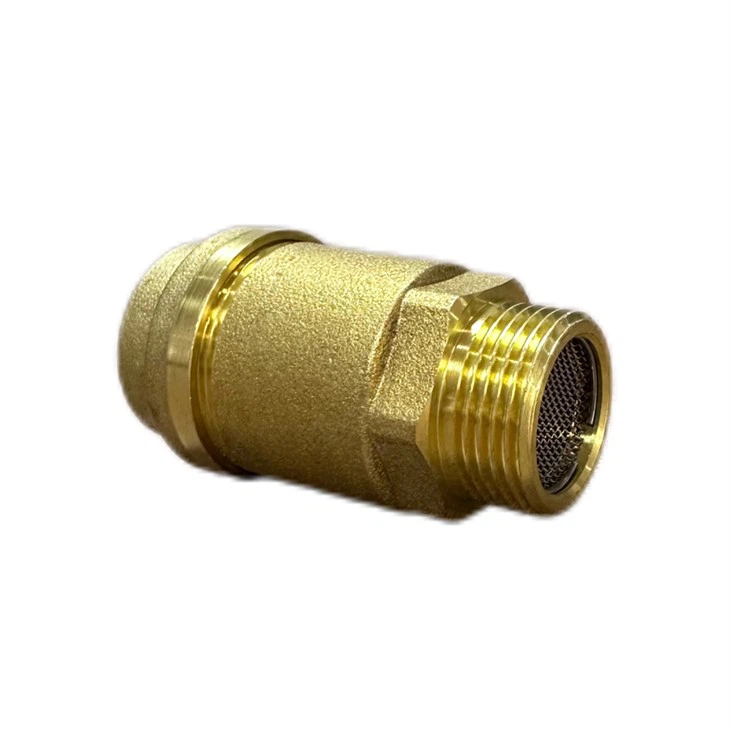
If you're looking for high - quality exhaust valves for your project or system, we're here to help. Our extensive range of products, including the reliable Brass Exhaust Valve, is designed to meet the diverse needs of our customers. Whether you're in the automotive, manufacturing, or building industry, we have the right solution for you. Contact us today to discuss your requirements and start a partnership for a successful project.
References
ASHRAE Handbook: HVAC Systems and Equipment.
Crane Technical Paper No. 410: Flow of Fluids Through Valves, Fittings, and Pipe.
Piping and Pipeline Engineering: Design, Construction, Maintenance, Integrity, and Repair by George A. Antaki.